
"Movement is life. Life is a process. Improve the quality of the process and you improve the quality of life itself." – Moshe Feldenkrais
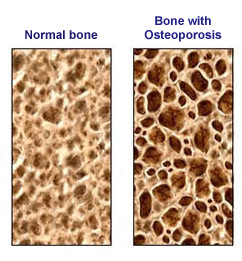 Dancers exercise daily. They are constantly on their feet. They jump, they turn and they constantly apply additional stress to their bones. The skeleton knows how to respond to this stress, it grows, or models, more bone to support it. However, studies of ballet dancers have found that they are at risk for stress fractures and that their bone mass measurements, or bone mineral density scores, are equal to or below that of their inactive peers. How can this be true? Why isn’t the body doing its job?
 The answer is that the body can only do its job or respond properly if it’s given the right tools and cues.
Dancers tend to be thin and even underweight. Less weight means there is less stress put on the bones on a daily basis. Therefore, even though classes and rehearsals include weight-bearing exercises, the stress on the skeleton is still less than it would be for someone who falls into the ideal or average weight bracket.
Dancers are known to restrict the amount of food they eat. There is a constant pressure in the dance community to eat less and look thinner. Additionally, dancers spend an enormous amount of time doing physical activity. Large amounts of physical activity burn large amounts of calories. When that factor is combined with a low or restricted caloric intake, the body is burning more fuel than it is receiving and an energy deficit is created. Research has linked energy deficits to lower bone mineral density values.

Moreover, studies have shown that poor diets can lead to disruptions in the reproductive system. Research has shown that female dancers go through adolescence and get their first period, or menarche, later than their peers. This delay in adolescence means there are lower levels of estrogen in the body, and estrogen plays a big role in making sure that the body can absorb the calcium that is eaten.
Since it is important for the body to create and “stock up” on as much bone as possible during the teen years to avoid fragile bones, it is easy to see why dancers might be at risk for developing osteoporosis. The good news is that dancers, when armed with some knowledge, can change that.
Additional weight-bearing exercises can be added to a dancer’s life - weight training and walking can easily be added into a training schedule. Knowing how to properly fuel the body is important for everyone, but it is especially important for dancers and athletes. Our next post will help you figure out how to do just that!
- Don’t forget to subscribe to our email list (on the right)! The Healthy Dancer will only use it to send you our blog posts!
- Like us on Facebook too!


